
In today’s digital era, the seamless flow of information has become a necessity for individuals, businesses, and governments. Behind this smooth exchange lies a powerful concept: computer networks. From checking emails to streaming videos and running global enterprises, computer networks form the backbone of modern communication and connectivity.
What is a Computer Network?
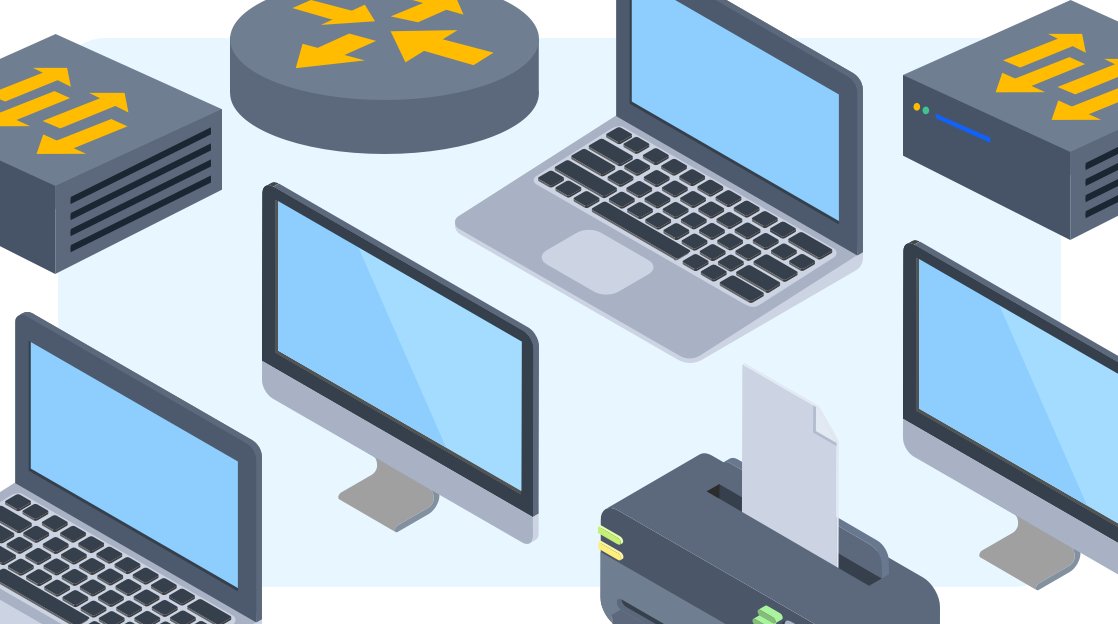
A computer network is a system where multiple devices (computers, servers, smartphones, routers, etc.) are connected together to share data, resources, and services. These connections can be wired (through cables) or wireless (via Wi-Fi, Bluetooth, or mobile networks).
In simple terms, computer networks allow devices to “talk” to each other and exchange information efficiently.
Types of Computer Networks
- Local Area Network (LAN):
Covers a small area, such as a home, office, or school. It enables resource sharing like files, printers, and internet access. - Wide Area Network (WAN):
Spans across large geographical regions, often connecting multiple LANs. The internet itself is the largest WAN. - Metropolitan Area Network (MAN):
Larger than LAN but smaller than WAN, often used to connect networks within a city. - Wireless Networks:
Enable connectivity without cables using technologies such as Wi-Fi, Bluetooth, and 4G/5G mobile networks. - Virtual Private Network (VPN):
A secure tunnel that allows users to access private networks remotely over public internet connections.
Key Components of a Network
- Router: Directs data between networks.
- Switch: Connects multiple devices within a LAN.
- Server: Provides services like email, storage, or websites.
- Cables/Wireless Signals: The medium that carries data between devices.
- Protocols: Rules (like TCP/IP) that govern how data is transmitted and received.
Importance of Computer Networks
- Communication: Email, messaging, and video conferencing rely on networks.
- Resource Sharing: Printers, files, and applications can be shared across devices.
- Data Management: Centralized storage makes data access and security more efficient.
- Business Operations: Supports e-commerce, cloud computing, and global collaboration.
- Entertainment: Streaming platforms, online gaming, and social media thrive on strong networks.
Emerging Trends in Networking
- 5G Networks: Offering faster and more reliable wireless connectivity.
- Cloud Networking: Allowing scalable and flexible data storage and services.
- Software-Defined Networking (SDN): Providing greater control and automation of networks.
- Internet of Things (IoT): Connecting everyday devices, from smart homes to industrial machines.
- Cybersecurity in Networking: Protecting against threats and ensuring data privacy.
Final Thoughts
Computer networks are the invisible highways of the digital world. They not only connect devices but also connect people, businesses, and societies on a global scale. As technology continues to advance, networks will only grow more powerful, shaping the way we live, work, and communicate.