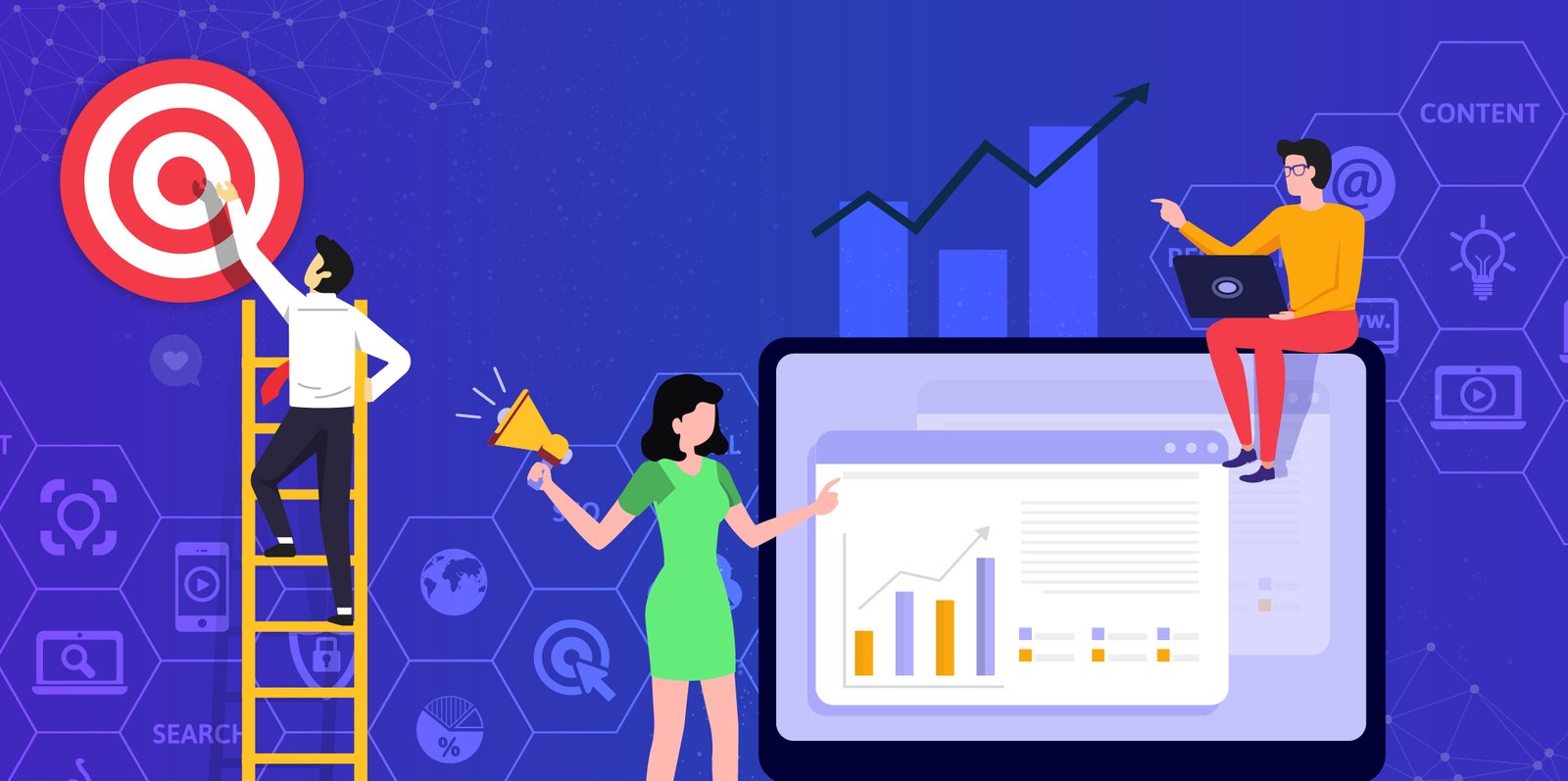
In today’s hyper-connected world, businesses can no longer rely solely on traditional advertising methods. Consumers spend most of their time online, searching for information, connecting on social platforms, and making purchasing decisions. This shift has given rise to digital marketing, a powerful strategy that leverages the internet and digital technologies to promote products, services, and brands.
What is Digital Marketing?
Digital marketing is the practice of reaching and engaging target audiences through digital channels such as search engines, websites, social media, email, and mobile applications. Unlike traditional marketing, digital marketing allows for precise targeting, measurable results, and real-time interaction with customers.
Core Components of Digital Marketing
1. Search Engine Optimization (SEO)
SEO is the process of optimizing websites to rank higher on search engines like Google. By using keywords, improving site structure, and building quality backlinks, businesses can attract organic traffic and gain visibility.
2. Content Marketing
High-quality content is the foundation of digital marketing. Blogs, articles, videos, infographics, and podcasts are used to educate, entertain, and engage audiences. The goal is to provide value that builds trust and drives customer loyalty.
3. Social Media Marketing
Social media platforms such as Facebook, Instagram, LinkedIn, and TikTok allow brands to connect with users directly. Businesses use these platforms to build communities, promote products, and engage in conversations that strengthen brand identity.
4. Pay-Per-Click (PPC) Advertising
PPC campaigns, such as Google Ads, enable businesses to pay only when users click on their ads. This targeted form of advertising ensures that budgets are spent efficiently and results are easily trackable.
5. Email Marketing
Email remains one of the most effective digital marketing tools. Personalized campaigns nurture leads, promote products, and encourage repeat purchases. Automation tools help businesses scale their email efforts while maintaining a personal touch.
6. Affiliate and Influencer Marketing
Partnerships with affiliates or influencers expand brand reach. Influencers, in particular, can leverage their credibility to drive traffic and conversions among highly engaged followers.
Advantages of Digital Marketing
- Global Reach: Businesses can reach audiences across the world at relatively low costs.
- Targeted Campaigns: Demographics, interests, and behaviors can be used to target the right audience.
- Measurable Results: Metrics such as clicks, impressions, and conversions provide clear insights into campaign performance.
- Cost Efficiency: Compared to traditional advertising, digital campaigns can be more affordable while delivering higher ROI.
- Real-Time Interaction: Brands can engage directly with customers, building stronger relationships.
Challenges in Digital Marketing
- High competition in digital spaces.
- Constantly changing algorithms on search engines and social platforms.
- Data privacy regulations that limit targeting options.
- The need for continuous content creation to stay relevant.
Future Trends in Digital Marketing
- Artificial Intelligence (AI) and Automation: Smarter chatbots, predictive analytics, and personalized recommendations.
- Voice Search Optimization: Preparing content for voice-activated devices like Alexa and Google Assistant.
- Video Marketing: Short-form and live video content continuing to dominate user engagement.
- Personalization: Data-driven strategies to deliver hyper-personalized customer experiences.
- Sustainability and Ethical Marketing: Consumers increasingly value transparency and eco-friendly practices.
Final Thoughts
Digital marketing has transformed the way businesses connect with their audiences. By combining creativity, strategy, and data-driven insights, it allows companies of all sizes to compete on a global scale. Success in digital marketing depends on staying adaptable, embracing new technologies, and consistently delivering value to customers.