In today’s interconnected world, cybersecurity has become more critical than ever. Every time we browse the internet, shop online, or log into social media, we expose ourselves to potential threats. From individuals to global corporations, no one is immune to cyber risks. That’s why understanding cybersecurity is essential to safeguard personal information, financial data, and organizational systems.
What is Cybersecurity?
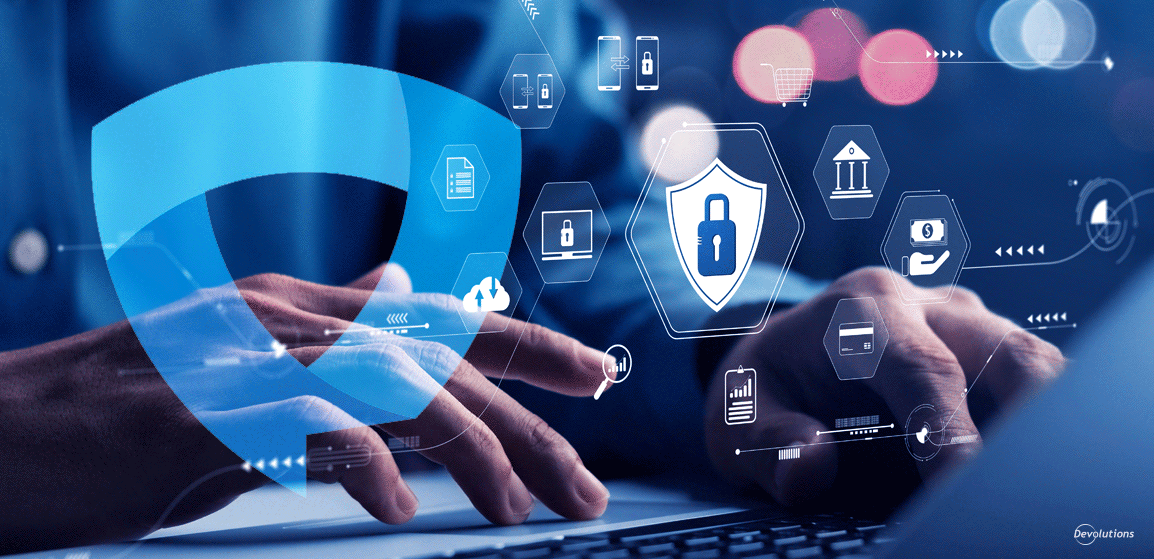
Cybersecurity refers to the practice of protecting systems, networks, and data from digital attacks. These attacks are usually aimed at accessing, stealing, or destroying sensitive information, disrupting operations, or extorting money from victims. Effective cybersecurity involves a combination of technologies, processes, and awareness.
Common Cyber Threats
- Malware – Malicious software such as viruses, ransomware, or spyware designed to damage or steal data.
- Phishing Attacks – Fraudulent emails or messages that trick users into revealing personal information.
- Data Breaches – Unauthorized access to sensitive data like credit card details or login credentials.
- Denial-of-Service (DoS) Attacks – Overloading systems to shut them down and disrupt services.
- Insider Threats – Risks posed by employees or trusted individuals misusing their access.
Why Cybersecurity Matters
- For Individuals: Protects personal privacy, banking information, and identity from theft.
- For Businesses: Secures company data, customer trust, and prevents costly downtime.
- For Society: Safeguards essential services such as healthcare, transportation, and communication from disruption.
Best Practices for Cybersecurity
- Strong Passwords: Use complex, unique passwords and enable two-factor authentication.
- Regular Updates: Keep software and systems up to date to patch vulnerabilities.
- Awareness: Stay alert to suspicious emails, links, and attachments.
- Data Backups: Regularly back up important data to prevent loss from ransomware attacks.
- Use Security Tools: Firewalls, antivirus programs, and VPNs add extra layers of protection.
The Future of Cybersecurity
As technology evolves, so do cyber threats. With the rise of artificial intelligence, cloud computing, and the Internet of Things (IoT), security challenges are becoming more complex. Future cybersecurity will focus heavily on AI-driven defense systems, zero-trust models, and stronger data privacy regulations.
Final Thoughts
Cybersecurity is not just the responsibility of IT professionals; it’s a shared responsibility. By practicing safe online habits and staying informed, individuals and businesses can reduce risks and build a more secure digital environment.