In the modern era, a website is more than just an online presence—it is the face of a business, the platform for communication, and often the main channel for generating revenue. From small startups to global enterprises, websites serve as the backbone of digital strategy. Behind every functional, engaging, and visually appealing website lies the process of website development.
What is Website Development?
Website development is the process of creating and maintaining websites. It involves a combination of coding, design, content management, and server configuration to ensure that a site is functional, user-friendly, and secure.
The development process typically includes both front-end development (the part users see and interact with) and back-end development (the server-side logic, databases, and application structure).
Key Components of Website Development
1. Front-End Development
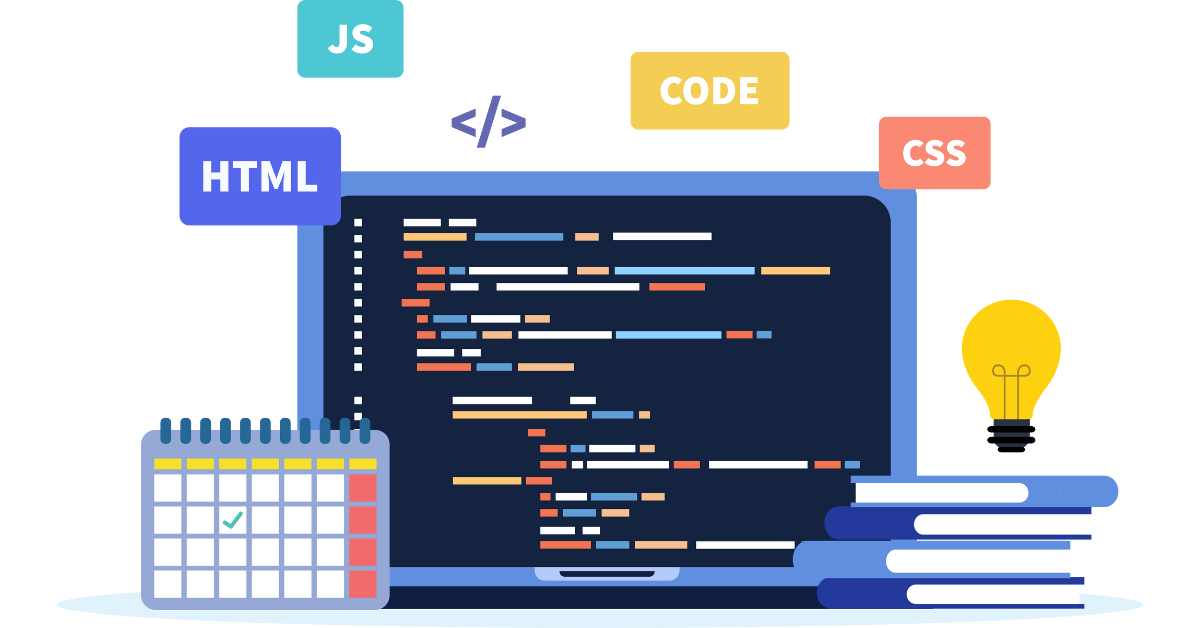
Front-end development deals with everything users see on their screens. This includes design, layout, colors, typography, and interactive elements. Common technologies used in front-end development are:
- HTML (HyperText Markup Language): Provides the structure of web pages.
- CSS (Cascading Style Sheets): Handles styling and design.
- JavaScript: Adds interactivity and dynamic features.
2. Back-End Development
Back-end development focuses on how the website functions behind the scenes. It includes server management, databases, and application logic. Popular back-end technologies include:
- Languages: PHP, Python, Ruby, Java, Node.js.
- Databases: MySQL, PostgreSQL, MongoDB.
- Servers: Apache, Nginx.
3. Full-Stack Development
Full-stack developers work on both front-end and back-end components. They are capable of building entire websites or web applications from start to finish.
4. Content Management Systems (CMS)
A CMS allows users to create and manage website content without needing deep technical knowledge. Popular CMS platforms include:
- WordPress
- Joomla
- Drupal
- Shopify (for eCommerce)
5. Responsive Design
With users accessing websites from desktops, tablets, and smartphones, responsive design ensures that websites adapt seamlessly to different screen sizes.
The Website Development Process
- Planning and Research
- Understanding the purpose of the site.
- Defining the target audience.
- Setting goals and objectives.
- Design and Wireframing
- Creating the visual layout.
- Using tools like Figma or Adobe XD to design prototypes.
- Development
- Writing code for front-end and back-end.
- Integrating databases and APIs.
- Testing and Deployment
- Checking for bugs, broken links, and responsiveness.
- Launching the website on a hosting server.
- Maintenance and Updates
- Regular updates, security patches, and content optimization.
Importance of Website Development
- First Impressions Matter: A well-designed website creates trust and credibility.
- Business Growth: Websites serve as marketing tools, sales platforms, and brand ambassadors.
- Accessibility: Available 24/7 for customers across the globe.
- Scalability: Websites can be expanded as businesses grow.
- Data and Analytics: Track user behavior and optimize strategies.
Future Trends in Website Development
- Progressive Web Apps (PWAs): Websites that function like mobile apps.
- AI and Chatbots: Enhancing user experience with real-time assistance.
- Voice Search Optimization: Adapting websites for voice commands.
- Motion UI and Micro-Interactions: Engaging users with smooth animations.
- Cybersecurity Focus: Stronger protections against data breaches.
Final Thoughts
Website development is more than coding; it is about creating digital experiences that align with business goals and user expectations. As technology evolves, the demand for innovative, fast, and secure websites continues to grow. Whether through custom development, CMS platforms, or emerging technologies, building a strong online presence remains essential for success in the digital age.